Author: rsranasultan0000

  • Online Fraud Prevention: How to Stay One Step Ahead of Scammers

    In today’s digital age, online fraud is a growing concern for individuals and businesses alike. As technology evolves, so do the tactics employed by scammers, making it increasingly difficult to identify and protect oneself from fraudulent schemes. The internet offers numerous opportunities for scammers to exploit unsuspecting victims, from phishing emails and identity theft to fake websites and investment scams. Therefore, it is crucial to take proactive steps to protect yourself from online fraud. This article will explore the best practices for online fraud prevention, providing practical tips on how to stay one step ahead of scammers.

    Understanding Online Fraud

    Online fraud refers to any deceptive activity that occurs over the internet with the intent to defraud individuals or organizations. Scammers often use sophisticated techniques to manipulate people into providing sensitive information, such as passwords, credit card numbers, or social security numbers. Some of the most common types of online fraud include:

    • Phishing: Fraudulent emails or websites designed to impersonate legitimate institutions, such as banks or e-commerce platforms, in order to steal personal information.
    • Identity Theft: Scammers collect personal information and use it to commit fraud, such as opening credit accounts or making unauthorized transactions in the victim’s name.
    • Investment Scams: Fraudsters offer fake investment opportunities, such as cryptocurrency schemes or high-return stocks, to trick victims into parting with their money.
    • Online Shopping Scams: Fake online stores or auction sites that lure consumers into making purchases for items that never arrive.

    With these risks in mind, it is essential to adopt a comprehensive approach to online fraud prevention that includes awareness, technological tools, and proactive measures.

    Key Strategies for Online Fraud Prevention

    1. Use Strong, Unique Passwords

    One of the simplest and most effective ways to prevent online fraud is by using strong and unique passwords for all of your online accounts. Weak passwords, such as “password123” or “qwerty,” are easily guessed by hackers, allowing them to gain access to your accounts. A strong password should be a combination of uppercase and lowercase letters, numbers, and special characters. Avoid using easily identifiable information, such as birthdays or names, in your passwords.

    Furthermore, it’s essential to use different passwords for each of your accounts. If a hacker gains access to one of your accounts, they will not be able to use the same password to access your other accounts. Consider using a password manager to securely store and generate strong passwords for all of your online accounts.

    2. Enable Two-Factor Authentication (2FA)

    Two-factor authentication (2FA) is an additional layer of security that can help prevent unauthorized access to your accounts. With 2FA, even if a scammer has your password, they will not be able to log in without a second form of verification. This can include a text message with a code, an email verification, or a biometric scan, such as fingerprint or face recognition.

    Many online services, including email providers, banking platforms, and social media sites, offer 2FA as an optional feature. Enabling 2FA is a simple yet effective way to enhance the security of your accounts and significantly reduce the risk of online fraud.

    3. Be Cautious of Phishing Scams

    Phishing is one of the most common forms of online fraud. Scammers often send fraudulent emails or text messages that appear to come from legitimate sources, such as banks, government agencies, or online retailers. These messages typically ask you to click on a link, download an attachment, or enter your personal information on a fake website.

    To avoid falling victim to phishing scams, always verify the sender’s email address or phone number before responding to any messages. Be cautious of any unsolicited requests for personal information, especially if they involve urgent or alarming messages. A legitimate organization will never ask you to provide sensitive details through email or text. When in doubt, contact the organization directly using their official contact information.

    4. Monitor Your Financial Accounts Regularly

    Regularly monitoring your financial accounts is crucial for identifying signs of online fraud. Check your bank statements, credit card statements, and credit reports for any unauthorized transactions or changes to your accounts. Many banks and financial institutions offer fraud detection services that can alert you to suspicious activity in real-time.

    In addition, consider using services that allow you to freeze your credit or place fraud alerts on your credit file. This makes it more difficult for scammers to open accounts in your name or take out loans using your identity.

    5. Invest in Anti-Malware and Anti-Virus Software

    Malware and viruses are common tools used by scammers to gain access to personal information. These malicious programs can infect your computer or mobile device, recording your keystrokes, capturing screenshots, or monitoring your browsing activity. To prevent malware infections, always use reputable anti-virus and anti-malware software. Ensure that your software is updated regularly to protect against new threats.

    Additionally, avoid downloading software or opening email attachments from untrusted sources. If you need to download files or software, make sure you are doing so from official websites or trusted platforms.

    6. Be Mindful of Public Wi-Fi Networks

    Public Wi-Fi networks, such as those found in cafes, airports, or hotels, can be a prime target for hackers looking to intercept your personal information. When using public Wi-Fi, avoid accessing sensitive accounts or entering personal information, as the network may not be secure. If you must use public Wi-Fi, consider using a Virtual Private Network (VPN) to encrypt your internet connection and protect your data.

    7. Report Suspicious Activity Immediately

    If you suspect that you have fallen victim to online fraud, it is crucial to act quickly. Report the incident to the appropriate authorities, such as your bank, the local police, or a national fraud prevention organization. The faster you report the scam, the better the chances of recovering your funds or preventing further damage.

    Conclusion

    Online fraud is an ever-present threat, but with the right precautions and awareness, you can significantly reduce the risk of falling victim to scams. By following the best practices outlined in this article, such as using strong passwords, enabling two-factor authentication, and staying vigilant against phishing attacks, you can protect yourself and your personal information from fraudulent activity. With the right tools and proactive strategies, online fraud prevention is within reach for everyone. Staying one step ahead of scammers requires a combination of knowledge, technology, and common sense—ensure that you are doing everything you can to safeguard your digital life. Visit RadleyFinance.com for More Information and assistance.


  • Finance for Freelancers: Managing Income in the Gig Economy

    Finance for Freelancers: Managing Income in the Gig Economy

    Freelancing offers freedom, flexibility, and the chance to be your own boss—but it also brings financial challenges that traditional employees rarely face. Without a steady paycheck, employer benefits, or automatic tax withholding, managing money in the gig economy requires strategy, discipline, and adaptability.

    Whether you’re a seasoned freelancer or just diving into self-employment, this guide will help you master your finances and thrive in the world of gig work.

    1. Know Your Numbers: Track Every Dollar

    Inconsistent income makes budgeting more complex, but it also makes tracking your money even more essential. Start with a system that shows:

    • How much you’re earning (per project, per client, per month)
    • Your recurring expenses (both personal and business)
    • Seasonal trends (busy vs. slow months)

    Use budgeting apps like YNAB, Mint, or QuickBooks Self-Employed to stay organized and gain insights into your cash flow.

    2. Build a Buffer: Your Income Safety Net

    One of the most powerful things a freelancer can do is build an emergency fund or “income buffer.” Aim to set aside 3–6 months’ worth of essential expenses so you’re covered when:

    • A client is late on payment
    • You hit a slow work season
    • You want to take time off without stress

    Think of it as your freedom fund—giving you security without sacrificing flexibility.

    3. Separate Business and Personal Finances

    Mixing business and personal money leads to confusion and tax headaches. Do this instead:

    • Open a separate bank account for your freelance income and expenses
    • Use a dedicated credit or debit card for business purchases
    • Keep records of invoices, receipts, and payments

    This not only keeps things clean—it makes you look more professional and simplifies tax time.

    4. Plan for Taxes Year-Round

    Unlike traditional employees, freelancers must handle their own taxes, including:

    • Self-employment tax (Social Security and Medicare)
    • Quarterly estimated payments (due four times a year in many countries)
    • Deductions for business-related expenses (like equipment, home office, and software)

    A good rule of thumb: set aside 25–30% of each payment into a tax savings account. Consider using accounting software or hiring a tax pro who specializes in freelance income.

    5. Price Your Work Strategically

    Don’t just pick a rate and hope it covers your bills. Factor in:

    • Your ideal annual income
    • Your business expenses and tax obligations
    • The number of billable hours you can realistically work
    • Market rates and your level of expertise

    Remember, you’re not just paid for your time you’re paid for your value. Don’t undersell yourself.

    6. Think Long-Term: Retirement and Insurance

    As a freelancer, no one’s handling your benefits for you. But that doesn’t mean you should ignore them:

    • Set up a retirement plan like a SEP IRA, Solo 401(k), or Roth IRA
    • Shop for health, disability, and liability insurance
    • Consider setting aside funds for professional development or upskilling

    These aren’t luxuries—they’re essential pieces of your financial future.

    7. Diversify Your Income Streams

    Relying on one client or income source is risky. Many successful freelancers:

    • Offer different services or packages
    • Sell digital products or online courses
    • Build passive income streams (like affiliate marketing or licensing content)

    Multiple streams = more stability. It’s not about working more it’s about working smarter.

    Final Thoughts: Freelance Freedom with Financial Confidence

    Being a freelancer doesn’t mean you have to live paycheck to paycheck or feel financially anxious. With the right habits, systems, and planning, you can create a resilient, rewarding freelance lifestyle.

    Money in the gig economy may flow differently but when you learn to manage it well, it can work beautifully in your favor.

  • 5 Money Habits That Separate the Wealthy from the Rest

    5 Money Habits That Separate the Wealthy from the Rest

    When it comes to building wealth, it’s less about luck and more about habits. While many people dream of financial success, the wealthy often live by principles and routines that consistently grow their money over time.

    So what exactly do they do differently?

    Here are five money habits that tend to separate the financially successful from the rest and how you can start applying them to your own life today.

    1. They Pay Themselves First

    Before spending a dime, wealthy individuals prioritize saving and investing. This is known as paying yourself first automatically directing a portion of your income into:

    • Retirement accounts (like a 401(k) or IRA)
    • Emergency savings
    • Investment portfolios

    They treat saving as a non-negotiable, just like paying rent or utilities, and automate it so it happens consistently. Even if you start small, this habit builds serious momentum over time.

    2. They Make Their Money Work for Them

    Wealthy people understand that time is money but money is also time. Rather than letting cash sit idle, they put it to work through:

    • Investments in stocks, real estate, or businesses
    • Compound interest, which grows wealth exponentially
    • Passive income streams that continue to earn without constant effort

    They don’t just work for money they create systems where money works for them, even while they sleep.

    3. They Live Below Their Means—Not Just Within Them

    One of the most surprising traits of the wealthy? Many live well below their means. Instead of spending to show off their wealth, they:

    • Focus on value and long-term ROI over status symbols
    • Avoid lifestyle inflation when their income increases
    • Prioritize financial freedom over flashy purchases

    This habit allows them to save and invest more building wealth faster and more sustainably than those who spend everything they earn.

    4. They Keep Learning About Money

    Financially successful people don’t assume they know it all. They make a habit of learning and evolving their money mindset, by:

    • Reading finance books, blogs, and market reports
    • Listening to podcasts or taking courses
    • Consulting with financial advisors or mentors

    Their curiosity keeps them informed, adaptive, and strategic in managing their finances.

    5. They Set Clear Financial Goals—and Review Them Often

    Wealthy people treat their money like a business: they set measurable goals, create timelines, and track progress. They:

    • Define what success looks like (early retirement, real estate empire, philanthropic impact)
    • Break large goals into manageable steps
    • Reassess regularly to stay on track or pivot when needed

    This clarity gives them a sense of control and keeps their money aligned with their life purpose.

    Final Thoughts: Wealth Is Built, Not Found

    The difference between the wealthy and everyone else often comes down to consistent, intentional habits not income level alone.

    Start with one habit. Maybe it’s automating your savings. Maybe it’s tracking your expenses or setting a goal. Small changes, when done consistently, can lead to transformational results over time.

    Remember: Wealth is not just about how much you earn it’s about how wisely and purposefully you use it.

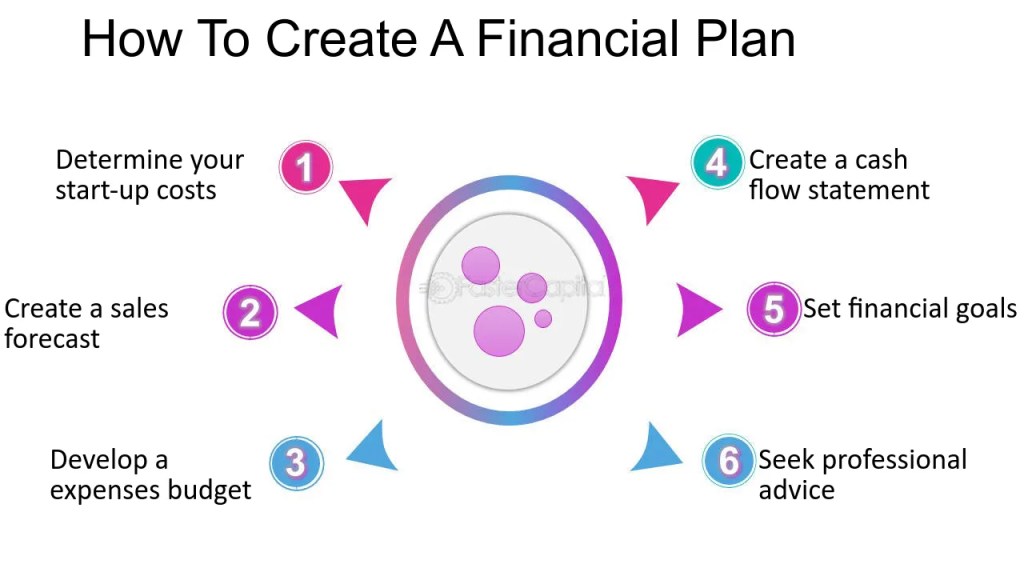
  • How to Build a Financial Plan That Works for Your Life

    How to Build a Financial Plan That Works for Your Life

    Managing money can feel overwhelming but it doesn’t have to be. A solid financial plan isn’t about depriving yourself or making perfect predictions. It’s about creating a roadmap that aligns with your goals, your values, and your lifestyle.

    Whether you’re starting fresh or looking to refine your strategy, here’s how to build a financial plan that works for your life on your terms.

    1. Start with Your Wh

    Before crunching numbers, get clear on your financial purpose. Ask yourself:

    • What do I want to achieve in the next 1, 5, and 10 years?
    • What kind of lifestyle brings me peace, joy, or security?
    • What does financial freedom look like for me?

    Your answers form the foundation of your financial plan. Maybe it’s buying a home, retiring early, or simply being debt-free. Whatever your goals, let them guide your decisions.

    2. Know Your Numbers

    To move forward, you need a clear picture of where you stand right now. Track:

    • Income: Your total monthly take-home pay
    • Fixed expenses: Rent/mortgage, utilities, insurance, etc.
    • Variable expenses: Groceries, dining out, entertainment, etc.
    • Debt: Credit cards, student loans, auto loans
    • Savings and assets: Bank balances, investments, property

    This snapshot is your financial baseline. It shows what’s working and what needs attention.

    3. Set SMART Financial Goals

    Goals should be Specific, Measurable, Achievable, Relevant, and Time-bound. For example:

    • Save $5,000 for an emergency fund in 12 months
    • Pay off $3,000 in credit card debt within 8 months
    • Invest 15% of your income for retirement starting this year

    SMART goals give you direction and a way to measure your progress.

    4. Create a Realistic Budget

    A budget isn’t a punishment—it’s a spending plan that helps you align your money with your values. Consider using the 50/30/20 rule as a flexible starting point:

    • 50% for needs (rent, bills, groceries)
    • 30% for wants (dining, travel, hobbies)
    • 20% for savings and debt repayment

    Adjust it to fit your situation, and revisit it regularly.

    5. Build an Emergency Fund

    Life happens—and when it does, an emergency fund keeps you from going into debt. Aim to save:

    • $1,000 as a starter fund, then
    • 3–6 months of essential expenses over time

    Keep this money in a separate, easily accessible savings account.

    6. Tackle Debt Strategically

    Not all debt is created equal. Make a plan to pay off high-interest debt first, like credit cards. Two popular strategies:

    • Debt snowball: Pay off smallest balances first for motivation
    • Debt avalanche: Pay off highest-interest debt first to save more

    Choose the one that fits your mindset—and stick with it.

    7. Invest in Your Future

    The earlier you start investing, the more time your money has to grow. Consider:

    • Contributing to employer-sponsored retirement plans (like a 401(k))
    • Opening a Roth IRA or traditional IRA
    • Using low-cost index funds or robo-advisors for simplicity

    Even small, regular contributions can lead to significant long-term growth.

    8. Protect What You’re Building

    Don’t forget to plan for the unexpected:

    • Get health, life, and disability insurance
    • Create a will and name beneficiaries
    • Consider talking to a financial advisor for personalized advice

    Financial protection is just as important as growth.

    9. Review and Adjust Ofte

    Your life changes—so should your financial plan. Review it at least once a year, or whenever you:

    • Change jobs
    • Get married or have kids
    • Buy a home or relocate
    • Experience a major financial shift

    A financial plan is a living document, not a one-time project.

    Final Thoughts: Make It Yours

    There’s no one-size-fits-all plan. The best financial strategy is the one you’ll actually stick to—the one that respects your life, your goals, and your dreams.

    Start where you are. Use what you have. And remember: every step forward counts.

    Financial peace isn’t about perfection—it’s about progress.

Design a site like this with WordPress.com
Get started